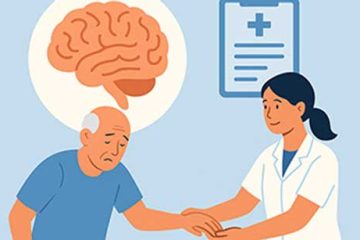
Neuroplasticity in physical therapy rehabilitation is the nervous system’s ability to change and adapt in response to injury, experience, and movement. This means the brain and nerves can reorganize and form new connections throughout life.
Research shows that this ability does not diminish with age. Instead, it continues to respond to the right types of training and input. Neuroplasticity in physical therapy rehabilitation is the nervous system’s ability to change and adapt after an injury, experience, or movement. This means the brain and nerves can reorganize and form new connections throughout life.(1)
How Neuroplasticity Works in Rehab
Neuroplasticity is not automatic. It is shaped by what a patient does during therapy.
The nervous system responds strongly to:
- Repetition of movement
- Task-specific training
- Physical effort and load
- Real-world activities
In simple terms, the more meaningful the movement practice, the stronger the brain and body adapt.
Why This Matters for Physical Therapists
For clinicians, this has significant implications for practice. When therapists understand how the nervous system responds to load, repetition, and task specificity, they can design more effective and individualized rehabilitation programs. These programs move beyond general exercise prescription and instead focus on meaningful motor learning and functional recovery.
As a result, patients are more likely to achieve improvements that carry over into daily activities, not just isolated movement patterns. This is where neuroscience and clinical decision-making intersect—ensuring rehabilitation is intentional, measurable, and grounded in evidence-based principles.
Subscribe Today – Healthclick All Access Subscription
When you subscribe to our online courses, you’ll gain access to our comprehensive Neuroanatomy Series, designed to build this exact foundation. This series includes in-depth coursework on the neurological exam, functional neuroanatomy, the cerebellum and spinal cord, cellular neurology, and the nervous system. Apply functional anatomy information to improve rehab programs for post-stroke recovery and Parkinson’s diagnoses. Each course is strategically developed to help clinicians connect foundational science to clinical diagnosis—empowering you to create more precise, personalized rehabilitation programs that lead to better functional outcomes.

References
- Tataranu LG, Rizea RE. Neuroplasticity and Nervous System Recovery: Cellular Mechanisms, Therapeutic Advances, and Future Prospects. Brain Sci. 2025 Apr 15;15(4):400. doi: 10.3390/brainsci15040400. PMID: 40309875; PMCID: PMC12025631.
- Kumar J., Patel T., Sugandh F., Dev J., Kumar U., Adeeb M., Kachhadia M.P., Puri P., Prachi F., Zaman M.U., et al. Innovative Approaches and Therapies to Enhance Neuroplasticity and Promote Recovery in Patients with Neurological Disorders: A Narrative Review. Cureus. 2023;15:e41914. doi: 10.7759/cureus.41914