Summer is in full swing—which means beach trips, backyard barbecues, national park strolls, and chaotic family reunions. But for many of our older adult patients, fear of falling on soft sand, uneven grass, or a boat dock keeps them stuck at home.
Therefore, effective balance and fall prevention strategies are essential to keeping them safely engaged in community life.
As physical and occupational therapists, we’ve all heard it in the clinic: “Oh, I’ll just stay in the air-conditioned car while the kids walk to the overlook.”
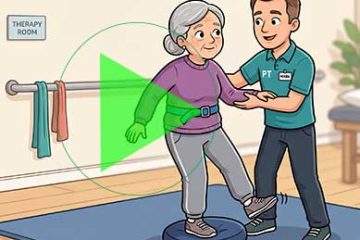
Just because Grandma has some balance or strength limitations doesn’t mean she should miss out on making memories with her family. Getting her ready to join the fun safely through targeted rehabilitation benefits the entire family unit.
The Stats Behind the Stumble
According to the CDC, 1 in 4 adults aged 65 and older falls every year, making falls the leading cause of injury and injury-related deaths in this age group. Beyond the physical impact, the fear of falling often causes seniors to pull back from family activities, leading to social isolation and faster physical decline.
When a patient hesitates to step off the patio, they aren’t just lacking balance—they’re lacking a reliable assessment and structured intervention plan focused on balance and fall prevention that bridges the gap between the clinic floor and real-world terrain.
Moving Beyond “Stand on One Foot”
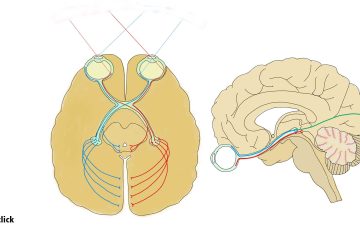
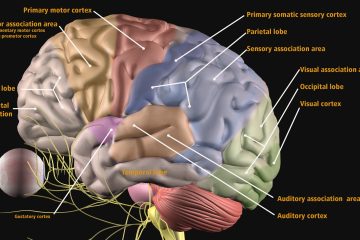
To help our patients confidently navigate cobblestone streets or family beach walks, guesswork won’t cut it. We need concrete, standardized objective data to pinpoint exact deficits—whether sensory, vestibular, motor, or environmental.
That’s where Evidence-Based Outcome Tools for Treating Balance Dysfunction comes in.
This practical course is tailored specifically for PTs and OTs who want to elevate their clinical approach to balance and fall prevention in older adults. You’ll dive deep into:
- Targeted Outcome Measures: Learn how to select, administer, and interpret top evidence-based tools (like the Berg Balance Scale, TUG, Dynamic Gait Index, and Mini-BESTest) with efficiency.
- Data-Driven Treatment Planning: Translate score deficits directly into high-yield, functional interventions.
- Real-World Application: Tailor physical and occupational therapy interventions to real life—so your patients can handle uneven ground, crowded spaces, and sudden perturbations during family outings.
Give Your Patients Their Summer Back
Good balance therapy gives patients their independence back. Most importantly, it helps them say “yes” to family trips.
So, are you ready to master balance and fall prevention in your clinic?
Join the Healthclick subscription for access to a variety of online courses that can enhance your skills for evaluating and treating balance risk in older adults.