North American Seminars delivers Physical Therapy Continuing Education to practitioners and organizations to facilitate better care and improved outcomes for patients
Use the pull down menus below to select your criteria to narrow your course searchMeet your Physical Therapy Continuing Education License Requirements for $189
Includes all our online courses
Subscribe Worldwide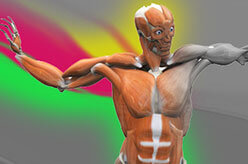
Elomotus® Muscle Technology

Actual Patient Interviews, Case Studies and Demonstrations
New ! Annual Online Course Subscription
- 12 months of access to the video course library, course tests, and certificates of completion for Physical Therapy Continuing Education Requirements.
- State specific course completion certificates. AOTA approved. PT, PTA pre-approved for the states of AK, AL, AZ, CA, CO, CT, DC, DE, GA, HI, IA, ID, IL, IN, KS, MA, ME, MI, MO, MS, MT, NC, ND, NE, NH, NM, NY, OR, PA, RI, SC, SD, TN, TX, UT, VA, VT, WA, WI, and WY. Check State approval on each course page.
- More than 300 hours of online video courses designed for Physical Therapists, Occupational Therapists and Assistants.
- Annual renewal for continued access, cancel at any time prior to renewal
- Access to future courses and content.
- Start, stop and resume, right where you left off in a course.
- Real patient interviews.
- Medical expert contributors.
- 3D anatomy and medical illustrations.
- Easy to use learning system for fast access to your courses.
- Award winning content.
- Chat Support
- Top instructors teaching evidence based skills and techniques.
$189
Prices are in US dollars
Medical Expert Contributions
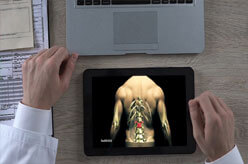
Studio filmed for optimal online learning Demonstrations
Meet your Physical Therapy Continuing Education License Requirements for $189
Includes all our online courses
Subscribe WorldwideNew ! Annual Online Course Subscription
- 12 months of access to the video course library, course tests, and certificates of completion for Physical Therapy Continuing Education Requirements.
- Now available worldwide
- State specific course completion certificates. AOTA approved. PT, PTA pre-approved for the states of AK, AL, AZ, CA, CO, CT, DC, DE, GA, HI, IA, ID, IL, IN, KS, MA, ME, MI, MO, MS, MT, NC, ND, NE, NH, NM, NY, OR, PA, RI, SC, SD, TN, TX, UT, VA, VT, WA, WI, and WY.
- More than 300 hours of online video courses designed for Physical Therapists, Occupational Therapists and Assistants.
- Access to future courses and content.
- Start, stop and resume, right where you left off in a course.
- Real patient interviews.
- Medical expert contributors.
- 3D anatomy and medical illustrations.
- Easy to use learning system for fast access to your courses.
- Award winning content.
- Chat Support
- Top instructors teaching evidence based skills and techniques.
$189
Prices are in US dollarsOnline Physical Therapy Continuing Education
Advanced Post Surgical Rehabilitation of the Lumbar and Cervical Spine - 9.0 hrs 0.9 CEU CME credit hours (IL, DC, NY): 10.80 hrs |
|
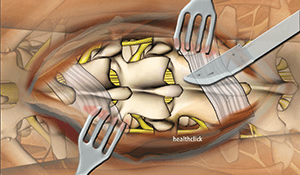
This advanced post surgical spine continuing education course covers pre and post-surgical topics with comprehensive details on the importance of early intervention for rehab Delivered: Online More Info |
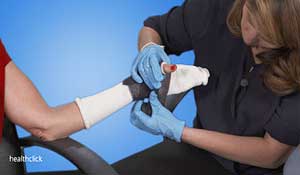
Elbow, Wrist, and Hand Injury and Orthotic Fabrication - 5.0 hrs, .5 CEU CME credit hours (IL, DC, NY): 6.00 hrs |
|
A clinician should take this course to improve their understanding of the forearm wrist and hand anatomy, biomechanics, the relationship to injuries, and orthotic fabrication. The information provides the foundation for a greater understanding of common injuries, tissues implicated, and healing times. Delivered: Online More Info |
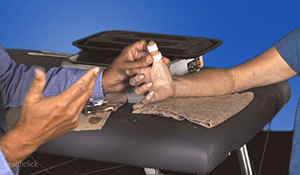
Functional Rehabilitation of the Elbow, the Wrist and the Hand - 8.5 hrs, .85 CEU CME credit hours (IL, DC, NY): 10.20 hrs |
|
Treating injuries of the elbow, wrist and hand can be complex. This course will provide detailed information on a process which cliniciand can use to better manage these patients. Delivered: Online More Info |

Restoring Functional Gait - 13.0 hrs, 1.3 CEU CME credit hours (IL, DC, NY): 15.60 hrs |
|
A "normal" walking pattern is different for each person, depending on their specific needs. The key is to identify deficits that contribute to abnormal gait patterns and build each system appropriately. This course’s systematic approach will enhance differential diagnosis skills when assessing gait patterns and assist with developing comprehensive rehabilitation programs designed to improve functional gait at home and in the community. Delivered: Online More Info |

Invisible Trauma - Recovery from Complex Concussions - 13.0 hrs, 1.3 CEU CME credit hours (IL, DC, NY): 15.60 hrs |
|
Concussions are complex, and clinicians need specific knowledge and skills to progress treatment in this patient population effectively. Develop a greater understanding of complex issues related to mild traumatic head injury, evidence-based clinical practice guidelines, and treatments that are the keys to a concussion patient’s successful rehabilitation and return to a quality of life. Delivered: Online More Info |
Restoring Synergy - 10.0 hrs, 1.0 CEU CME credit hours (IL, DC, NY): 12.00 hrs |
|
Complex vestibular patients often present with symptoms related to cervicogenic dizziness, atypical BPPV, Persistent Postural-Perceptual Dizziness (PPPD), Vestibular migraine, Acoustic schwannoma, superior canal dehiscence. This advanced vestibular course provides the tools to effectively evaluate and treat patients with these and other complex vestibular related comorbidities. Delivered: Online More Info |

CME credit hours (IL, DC, NY): 14.40 hrs |
|
Stroke is the third leading cause of death in the United States, and it is one of the major reasons for disability. Now compound this issue of debilitating musculoskeletal and cognitive problems with the fact that we are in a new era of strokes where a large percentage of stroke patients are under 55. If you want a true understanding of the mechanisms of injury and residual effects of a stroke, you can develop individualized goals for the best possible functional outcomes for your patient ranging in all age groups. This intermediate level course will prepare the clinician with the foundational information needed to maximize functional mobility with their clients who have suffered a stroke Delivered: Online More Info |
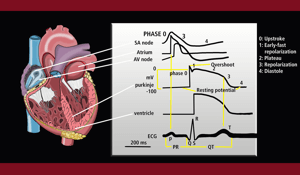
Acute Care Rehabilitation - 10.0 hrs, 1.0 CEU CME credit hours (IL, DC, NY): 12.00 hrs |
|
Develop the knowledge and skills necessary to effectively integrate your rehabilitation skills into the acute care hospital environment. A trained acute care therapist can help mitigate the effects of immobility on the respiratory, cardiac, neurologic, and musculoskeletal systems. Learn the skills necessary to identify yourself as an essential part of the acute care team is critical, especially in pandemics such as COVI Delivered: Online More Info |
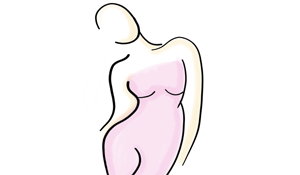
Cancer Rehab and Survivorship - 16.0 hrs, 1.6 CEU CME credit hours (IL, DC, NY): 14.40 hrs |
|
A comprehensive multidisciplinary team approach to cancer rehab provides critical elements for a successful transition back to independence. This course prepares the clinician with the information needed to successfully evaluate and treat an oncology patient throughout the continuum of care. Delivered: Online More Info |
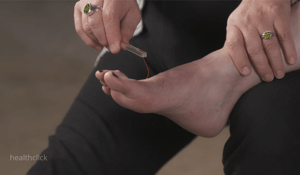
Diabetes - Implications within Rehabilitation Programs - 9.0 hrs .9 CEU CME credit hours (IL, DC, NY): 10.80 hrs |
|
According to the CDC, more than 100 million Americans have either diabetes or pre-diabetes. This rise in diabetes has been at a steady rate and shows no signs of slowing down. Do you understand the physiological impact of diabetes and pre-diabetes on your patients with neurological, orthopedic, or cardiovascular diagnoses? Patients with comorbidities with diabetes will require more attention to specific therapeutic interventions to properly thrive. Delivered: Online More Info |

Sports Concussion - an Evidence-Based Course - 8.5 hrs, .85 CEU CME credit hours (IL, DC, NY): 10.20 hrs |
|
There are between 1.7 and 3 million sports concussions per year. Many concussions still go undiagnosed or underdiagnosed, which costs the athlete valuable time, and the medical system unneeded costs. Learn the pathophysiology of sport-related concussion, evidence-based tools and strategies for diagnosis, and optimal treatment strategies. Medical professionals trained in concussion management have a structured team approach to pre and post-management of concussions tend to have better outcomes, leading to an overall better quality of life for their clients/athletes. Delivered: Online More Info |
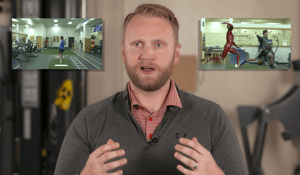
Injury Prevention and Optimal Mechanics in the Throwing Athlete - 8.0 hrs, .8 CEU CME credit hours (IL, DC, NY): 9.60 hrs |
|
Understanding the physical demands of the client throughout the year is essential indetermining an appropriate rehab program. This course will assist the clinician with looking at the individual overhead athlete’s challenges, learn to evaluate based on their situation, and then develop an individualized treatment program. Delivered: Online More Info |
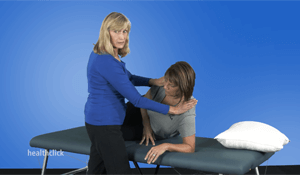
Stroke: Achieving Functional Movement in the Home Bound Patient - 8.5 hrs, .85 CEU CME credit hours (IL, DC, NY): 10.20 hrs |
|
Transitional rehabilitation parameters and guidelines are continually changing in today’s healthcare environment. This stroke rehab course will prepare you to enter the home environment with a toolbox of evaluation and treatment techniques to assist the client in their individualized situation. Delivered: Online More Info |
Progressive Vestibular Treatments for the over 60 population - 8.5 hrs, .85 CEU CME credit hours (IL, DC, NY): 10.20 hrs |
|
Dizziness and falls are leading contributors to disability in the senior population. This course focuses on the evaluation and treatment of vestibular and balance issues in the elderly population. Delivered: online More Info |
Applying the Principles and Philosophy of PNF to Enhance Gait - 10.0 hrs, 1.0 CEU CME credit hours (IL, DC, NY): 12.00 hrs |
|
This course combines the theory and application of PNF based treatments to enhance functional gait. The concepts and techniques presented in this course provide clinicians with the information and hands-on skills necessary to address the ambulatory needs of their orthopedic and neurologically impaired clients, in all therapy settings Delivered: Online More Info |
Achieving Advanced Levels of Functional Mobility with PNF Techniques - 6.0 hrs, .6 CEU CME credit hours (IL, DC, NY): 7.20 hrs |
|
This course focuses on applying more advanced techniques to create individualized patient programs. Breaking down the components of movement and applying very specific PNF patterns and techniques to achieve each functional goal within the big overall functional objective. Delivered: Online More Info |
The Fundamentals of Lymphedema Treatment - 12.0 hrs, 1.2 CEU CME credit hours (IL, DC, NY): 14.40 hrs |
|
Lymphedema and diseases of the lymphatic system affect millions of people in the United States and hundreds of millions worldwide. Affected patients most often suffer from debilitating swelling and pain, usually in the arms and legs; however, it also occurs in other regions of the body. If left untreated, the patient can suffer from chronic infections as well as loss of a limb, not to mention debilitating pain, psychological stress, social isolation and loss of function and quality of life. Delivered: Online More Info |
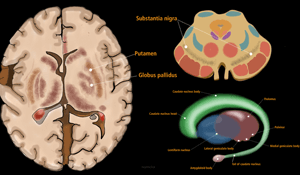
Stroke and The Limbic System - 6.0 hrs, .6 CEU CME credit hours (IL, DC, NY): 7.20 hrs |
|
There has been a recent explosion of research in the areas of movement science, motor control and motor learning theories within the neurological population. This leads to very individualized approaches for each neurologically involved client since each person has a unique motor learning history. How does this research impact the therapy plan and effect the techniques and tools that we currently utilize to promote outcomes? Delivered: Online More Info |
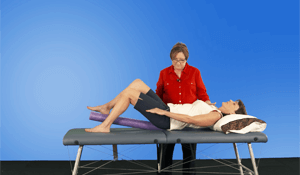
Balance and Falls in the Elderly Population - 11.0 hrs, 1.1 CEU CME credit hours (IL, DC, NY): 13.20 hrs |
|
Physical and occupational therapy programs help build strength, coordination, and neuromuscular coordination to decrease falls in the elderly population. This course presents evidence-based research and clinically proven techniques to maximize safe, functional movement with the aging population. This vestibular and balance rehab course is an essential resource for clinicians working with the older population with orthopedic, neurological, and cardiopulmonary diagnoses to understand the many factors that can lead to dysfunctional movement and increased fall risk. Delivered: Online More Info |
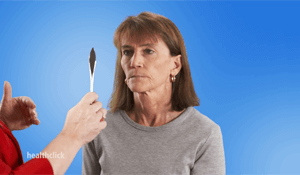
Evidence Based Outcome Tools for Treating Balance Dysfunction - 10.0 hrs, 1.0 CEU CME credit hours (IL, DC, NY): 12.00 hrs |
|
According to the CDC, there are currently over 29 million falls and 3 million emergency room visits per year. Physical and occupational therapists evaluate fall risk by ruling out potential sources of dizziness and instability. The information presented in this balanced dysfunction Continuing education course provides the clinician with evidence-based validity for the tools and techniques utilized to evaluate and treat the imbalanced patient. Delivered: Online More Info |
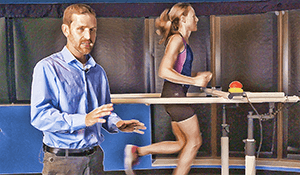
CME credit hours (IL, DC, NY): 15.60 hrs |
|
Each year, over 65 percent of runners succumb to some injury that prevents them from running. Running injuries can lead to prolonged downtime, decreased conditioning, depression, and long - term adverse effects. This course provides the foundation for establishing an excellent framework to assist the runner in preventing injuries and enhancing biomechanically correct running. Delivered: Online More Info |

Critical Analysis and Treatment Strategies for the Complex Shoulder - 12.0 hrs, 1.2 CEU CME credit hours (IL, DC, NY): 14.40 hrs |
|
The traditional way to assess the disorder is to try and find the pathology in the anatomical component contributing to the condition. Learn to identify and create the optimal treatment method for the specific shoulder injury presented by your patients using the classification system. The classification system, presented in this course, has been clinically proven to produce clinical outcomes that are better than they would be if we were to try to chase pathologic anatomy. Delivered: Online More Info |
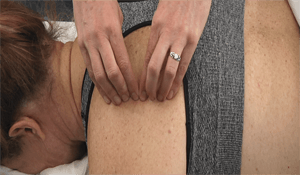
The Physiological Impact of Chronic Pain - 10.0 hrs, 1.0 CEU CME credit hours (IL, DC, NY): 12.00 hrs |
|
When pain becomes chronic there are common changes that occur within the body. Learn how a therapist can reverse the chronic pain cycle with a focus on the physiological effects of pain, and the implications it has on the whole body. Evidence based material and research is presented throughout the course to assist the therapist in developing optimal treatment approaches for chronic pain patients. Delivered: Online More Info |
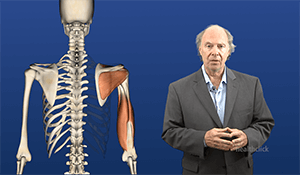
Biomechanics of the Shoulder - 12.0 hrs, 1.2 CEU CME credit hours (IL, DC, NY): 14.40 hrs |
|
The biomechanics of the shoulder girdle requires a synergistic balance of musculoskeletal function. A trained clinician can differentiate movement imbalance and guide treatment toward healing and progression toward optimal function. Learn with in depth instruction on the biomechanics of the shoulder, mechanisms of injury, evidence-based research, and clinical reasoning skills, in order to confidently implement a comprehensive treatment for shoulder dysfunction. Delivered: Online More Info |
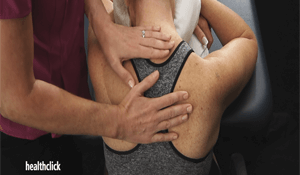
Myofascial Release for the Aging Population - 8.5 hrs, .85 CEU CME credit hours (IL, DC, NY): 10.20 hrs |
|
Pain management in the senior population is complicated. According to the CDC, chronic pain is one of the most common reasons adults seek medical treatment. Combining pain with loss of function and musculoskeletal dysfunction leads to a very debilitating quality of life. Through gentle myofascial techniques, learn how to significantly improve age- related tissue shortening to improve range of motion, balance, function, and decrease pain. Delivered: Online More Info |
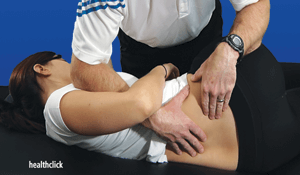
CME credit hours (IL, DC, NY): 10.20 hrs |
|
Back pain can result from poor biomechanics, a medical condition, or an injury. It can be so debilitating that it leads to loss of quality of life. Opioids are commonly prescribed to manage back pain; however, physical therapists and athletic trainers are skilled in evaluating and treating many underlying conditions that lead to back pain. Learn the most current evidence-based information and techniques used in the evaluation and treatment of the SI joint and lumbar spine in order to create optimal individualized treatment programs. Delivered: Online More Info |

Current Concussion Evaluation and Treatment Approaches - 13.0 hrs, 1.3 CEU CME credit hours (IL, DC, NY): 15.60 hrs |
|
A concussion is a type of mild traumatic brain injury, mTBI. A concussion is typically not life-threatening;however, it can be life - altering. Symptoms can include dizziness, fatigue, confusion, depression, inability to focus, and intolerance for noisy environments. This evidence-based concussion course provides the clinician with the tools necessary to evaluate and treat the concussion patient’s many symptoms. Delivered: Online More Info |
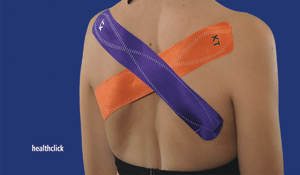
The Science of Taping: Determining Effective Techniques for Specific Diagnoses - 3.5 hrs, .35 CEU CME credit hours (IL, DC, NY): 4.20 hrs |
|
Studies have shown that pain decreased and function improved when kinesiology tape was incorporated into a comprehensive program. This kinesiology taping course provides step-by-step instruction for more than 20 taping techniques for the foot and ankle, knee, hip region, upper extremity and spine. You will learn the effective utilization of taping techniques to promote function, decrease pain, and reduce injuries. Delivered: Online More Info |

The Biomechanics of Running: Everything is Connected in the Kinetic Chain - 6.0 hrs, .6 CEU CME credit hours (IL, DC, NY): 7.20 hrs |
|
Running efficiency is paramount for any runner. The running gait cycle and proper form dictate the success of running efficiently. Learn to analyze a runner gait pattern and develop individualized treatment strategies to optimize a runner’s efficiency. Delivered: Online More Info |
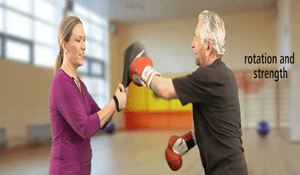
CME credit hours (IL, DC, NY): 8.40 hrs |
|
Neurodegenerative diseases such as Multiple Sclerosis and Parkinson’s disease can lead to a debilitating future. Functional movement and activities that promote motion can assist with the delay in losing independence. The therapist will learn to identify the appropriate assessment tools and measurement scales utilized for each disease and apply them to create optimal individualized treatment programs that maximize the energy efficiency of their MS and Parkinson’s patients. Delivered: Online More Info |
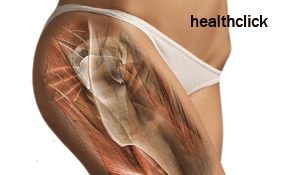
The Snapping Hip - 2.0 hrs, .20 CEU CME credit hours (IL, DC, NY): 2.40 hrs |
|
An online CE course For PT and ATC on the snapping hip. Snapping is a common complaint regarding structures in and around the hip joint. Delivered: PDF More Info |
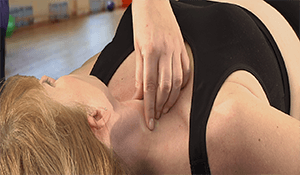
Maximizing Post Surgical Outcomes in Cancer Rehabilitation - 6.0 hrs, .6 CEU CME credit hours (IL, DC, NY): 7.20 hrs |
|
Axillary Web Syndrome (AWS), post -surgical swelling, lymphedema, fatigue, pain and decreased strength and conditioning are possible side effects of cancer surgery. A multidisciplinary cancer rehabilitation program helps minimize the adverse effects of surgery, chemotherapy, or radiation and works toward rebuilding the body. Learn a synergistic, progressive approach, combining manual therapy, self-care instruction and exercises for post-surgical rehabilitation of the breast cancer patient. Delivered: Online More Info |

Post Surgical Treatment of the Cervical and Lumbar Spine - 5.0 hrs, .5 CEU CME credit hours (IL, DC, NY): 6.00 hrs |
|
Millions of doctor visits related to neck and back pain progress to surgical intervention. Some standard surgical procedures include; discectomy, vertebroplasty, artificial disk replacement, and spinal fusion. Learn manual therapy techniques, including neural tensioning and mobilization of the sciatic, femoral, median, ulnar, and radial nerves in order to optimize the surgical outcome of the cervical and lumbar spine post surgical patient. Delivered: Online More Info |
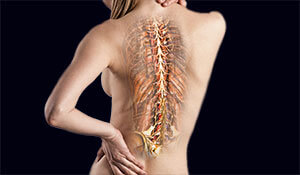
Post Surgical Evaluation and Treatment of the Cervical and Lumbar Spine - 12.0 hrs, 1.2 CEU CME credit hours (IL, DC, NY): 14.40 hrs |
|
Back pain is one of the most common complaints to a physician. Surgical options are often the treatment of choice to decrease pain and increase function. This cervical and lumbar spine post surgical CE course is designed to enhance a therapist’s primary and intrinsic understanding of surgical approaches and techniques, including microdiscectomy, PLIF, DLIF, TLIF, ACDF, and posterior cervical fusion in order to optimize the post surgical outcome. Delivered: Online More Info |
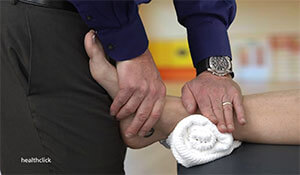
Examination and Treatment of the Foot and Ankle - 12.0 hrs, 1.2 CEU CME credit hours (IL, DC, NY): 14.40 hrs |
|
The runner’s feet are exposed to repetitive pounding and are prone to foot pain, tendinitis, plantar fasciitis, and stress fractures. You don’t have to be a runner to experience a foot injury. Faulty biomechanics, improper shoe wear, and musculoskeletal dysfunction can all contribute to foot injuries. Physical therapists and Athletic trainers skilled in biomechanical assessment and movement analysis identify underlying causes of foot pain and develop comprehensive programs to improve function and decrease pain.This course provides a step by step process for a comprehensive, evidence based, examination of the foot and ankle in order to develop and deliver an optimal individualized treatment program for a patient’s specific foot and ankle dysfunction. Delivered: Online More Info |
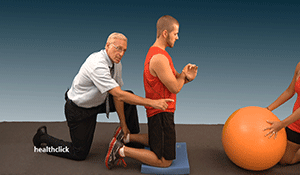
Foundation Exercises for the Treatment of the Knee - 5.0 hrs, .5 CEU CME credit hours (IL, DC, NY): 6.00 hrs |
|
Knee injuries often involve more than one structure resulting in sprains, fractures, dislocations, meniscus tears, and musculoskeletal dysfunction. It takes a comprehensive approach for effective healing and functional gains after an injury. A combination of neuromuscular dynamic stability, proprioception, and kinesthetic balance training promotes this healing environment. Learn therapeutic exercise guidelines for developing rehabilitation programs for patients with various knee pathologies. Foundational exercises work each link in the kinematic chain in an isolated manner to build the “foundation” toward progression to advanced functional specificity exercises. Delivered: Online More Info |
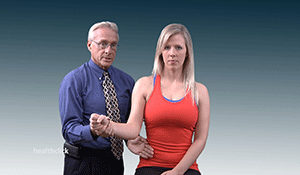
Foundation Exercises for the Treatment of the Shoulder - 5.0 hrs, .5 CEU CME credit hours (IL, DC, NY): 6.00 hrs |
|
There are so many variables to consider when choosing individualized shoulder rehabilitation exercises. “foundational exercises” contribute to advanced shoulder treatment programs and are essential to any injury’s safe progression. Learn evidence-based “foundation” exercises to integrate into your shoulder treatment programs that optimize kinetic chain muscle activity for shoulder-related problems. Delivered: Online More Info |
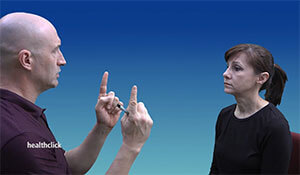
Vestibular Rehabilitation - Evaluation and Treatment - 10.0 hrs, 1.0 CEU CME credit hours (IL, DC, NY): 12.00 hrs |
|
Learn differential diagnosis skills associated with a vestibular examination and to deliver an effective vestibular rehabilitation treatment program. Expert medical contributors provide insight into the interaction between the body’s multisensory systems and the complexities of the relationship between the systems to maintain vestibular function and balance. Delivered: More Info |
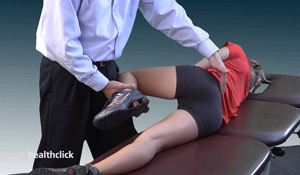
Examination and Treatment of the Hip Joint - 10.0 hrs, 1.0 CEU CME credit hours (IL, DC, NY): 12.00 hrs |
|
Learn to perform an examination of the hip joint, the tests to implement, what patients they should be performed on, what entails a positive (or negative test), and the diagnostic accuracy of such tests. Perform manual therapy, stretching, and strengthening techniques as they apply to the hip pain patient. Explore detailed information regarding proper set-up, hand placement, technique, re-assessment, and EMG values (exercises) in order to determine which treatment interventions are most clinically applicable in their various types of hip patients. Delivered: Online More Info |
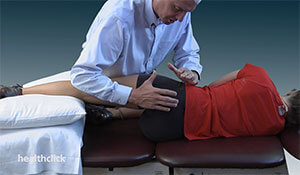
Examination and Treatment of the SI Joint - 10.0 hrs, 1.0 CEU CME credit hours (IL, DC, NY): 12.00 hrs |
|
Learn to perform an examination of the SI Joint joint, the tests to implement, what patients they should be performed on, what entails a positive (or negative test), and the diagnostic accuracy of such tests. Perform manual therapy, stretching, and strengthening techniques as they apply to the SI Joint pain patient. Explore detailed information regarding proper set-up, hand placement, technique, re-assessment, and EMG values (exercises) in order to determine which treatment interventions are most clinically applicable in their various types of SI Joint pain patients. Delivered: Online More Info |

Clinical Examination and Treatment of the Cervical and Upper Thoracic Spine - 10.0 hrs, 1.0 CEU CME credit hours (IL, DC, NY): 12.00 hrs |
|
Millions of people suffer from symptoms such as neck and back pain, cervicogenic headaches, and migraines that can be effectively addressed by a trained physical therapist. Traditional evaluation techniques identify the pathology and treatment accordingly; a more useful classification system has demonstrated streamlined decision making and better results. Learn the examination and treatment of the cervical and upper thoracic spine using a step by step classification system, which is clinically proven to elicit better functional outcomes. Delivered: Online More Info |
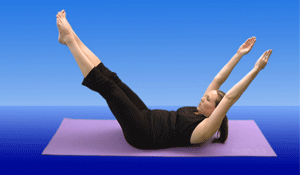
Utilizing Pilates to Enhance Rehab Outcomes - 10.0 hrs, 1.0 CEU CME credit hours (IL, DC, NY): 12.00 hrs |
|
Pilates can be effective in treating multiple neurological diseases and conditions. In several neurological conditions, such as Multiple Sclerosis, Parkinson’s Disease, stroke, peripheral neuropathy, and gait ataxia, balance re—training is a key component in rehabilitation. Several studies suggest that Pilates is effective in improving balance in the older adult population. In this course you will learn to master Pilates Exercise technique and integrate Pilates into your therapy treatment programs. Delivered: Online More Info |

CME credit hours (IL, DC, NY): 2.40 hrs |
|
An online CE course for rehab managers that need to development and master management skills in order to engage their team fully and achieve desired results. Delivered: PDF More Info |